Overview
Tall structures near airfields, flight corridors and helicopter routes must be conspicuous to aircraft by day and night. We engineer complete obstruction lighting systems, from lamp selection and tier layout through controllers, photocells, synchronization, battery autonomy and remote failure alarms, so that a stack, tower, crane or turbine stays compliant without a technician on site.
How the system works
- Marks obstacles with steady or flashing red, white or dual red/white lights at the correct intensity for day, twilight and night
- Switches intensity automatically by ambient light (photocell) and synchronizes flashing across multiple tiers and structures
- Detects lamp, flasher and supply failures and reports them locally and remotely by GSM/4G, SMS or dry contact to SCADA
- Keeps lights operating through mains failure on battery or solar autonomy sized for the site
- Indicates wind direction and landing hazards at helipads and helidecks with illuminated windsocks, beacons and status lights
Turnkey scope. We start from a structure survey and obstacle assessment, define the lighting scheme against ICAO Annex 14 or FAA AC 70/7460-1, select certified fittings, design cable routes and supports, and deliver installation at height, commissioning, authority documentation support and ongoing AMC.
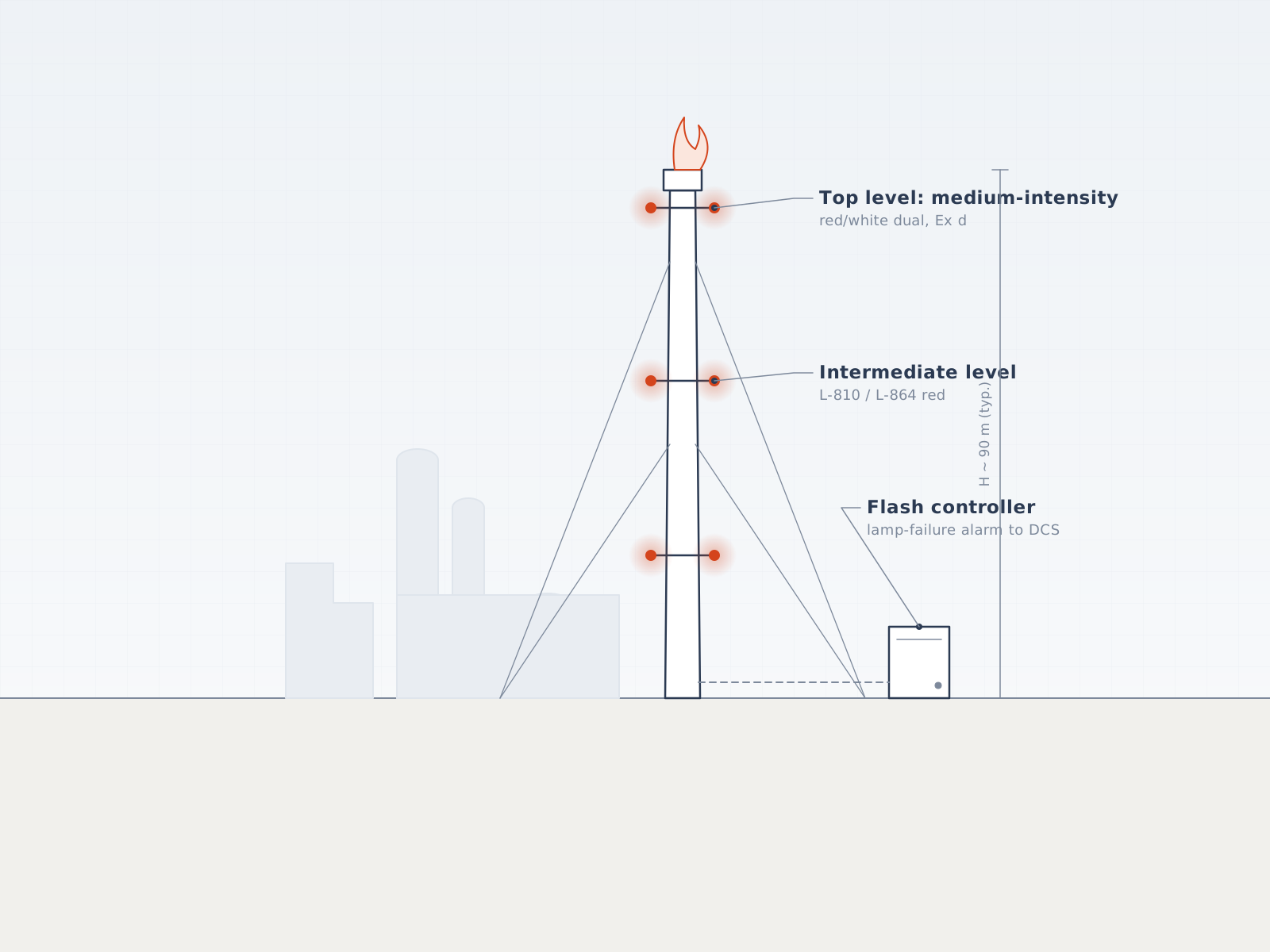
Typical system architecture
From the sensor in the field to the alarm on your phone: one engineered data path, designed, installed and supported by one team.
Measured parameters
| Light types |
|
|---|---|
| Special fittings |
|
| Control & monitoring |
|
| Marking & heliport |
|
System configurations
Typical locations
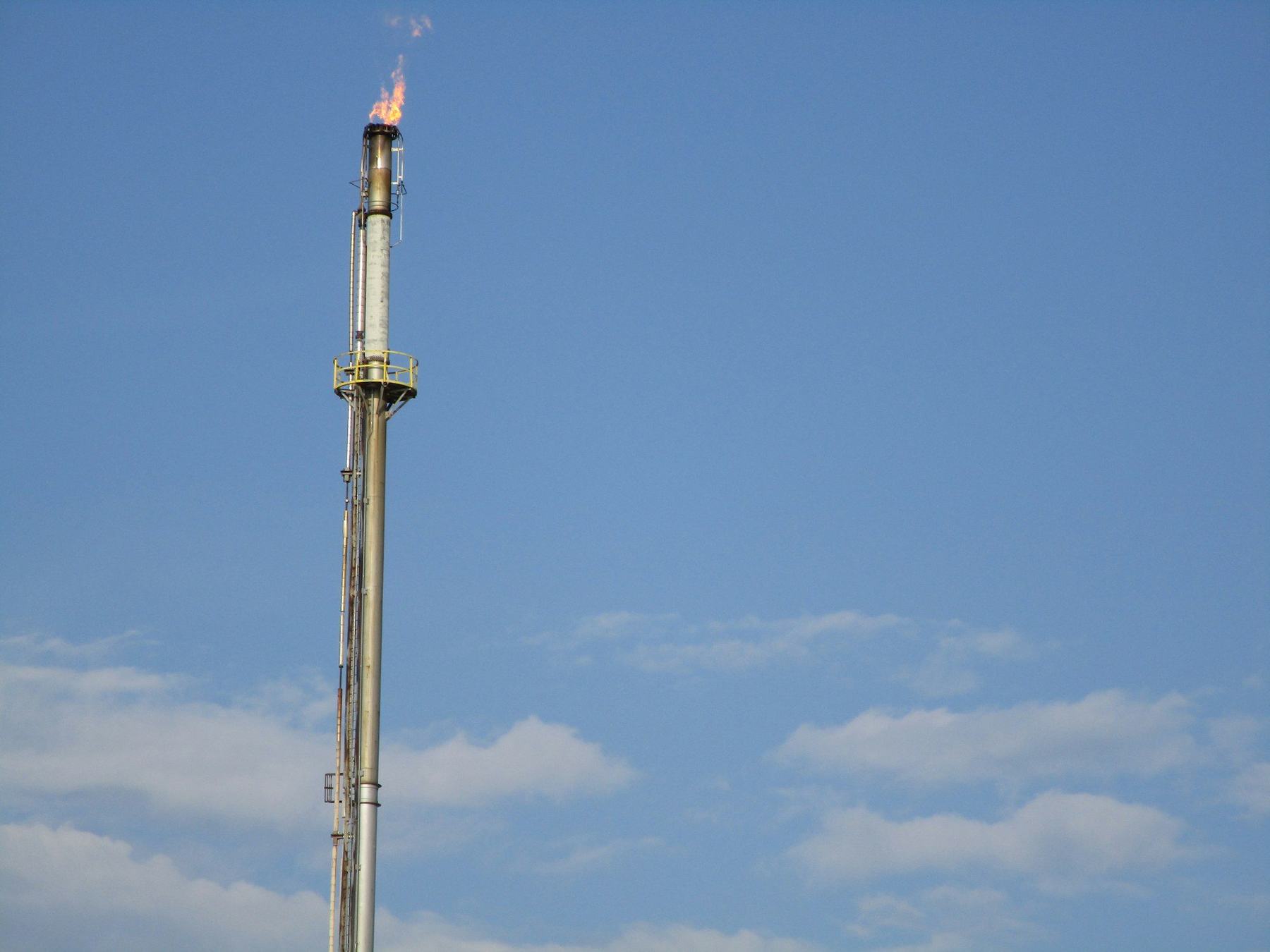
- Flare stacks, chimneys and process columns
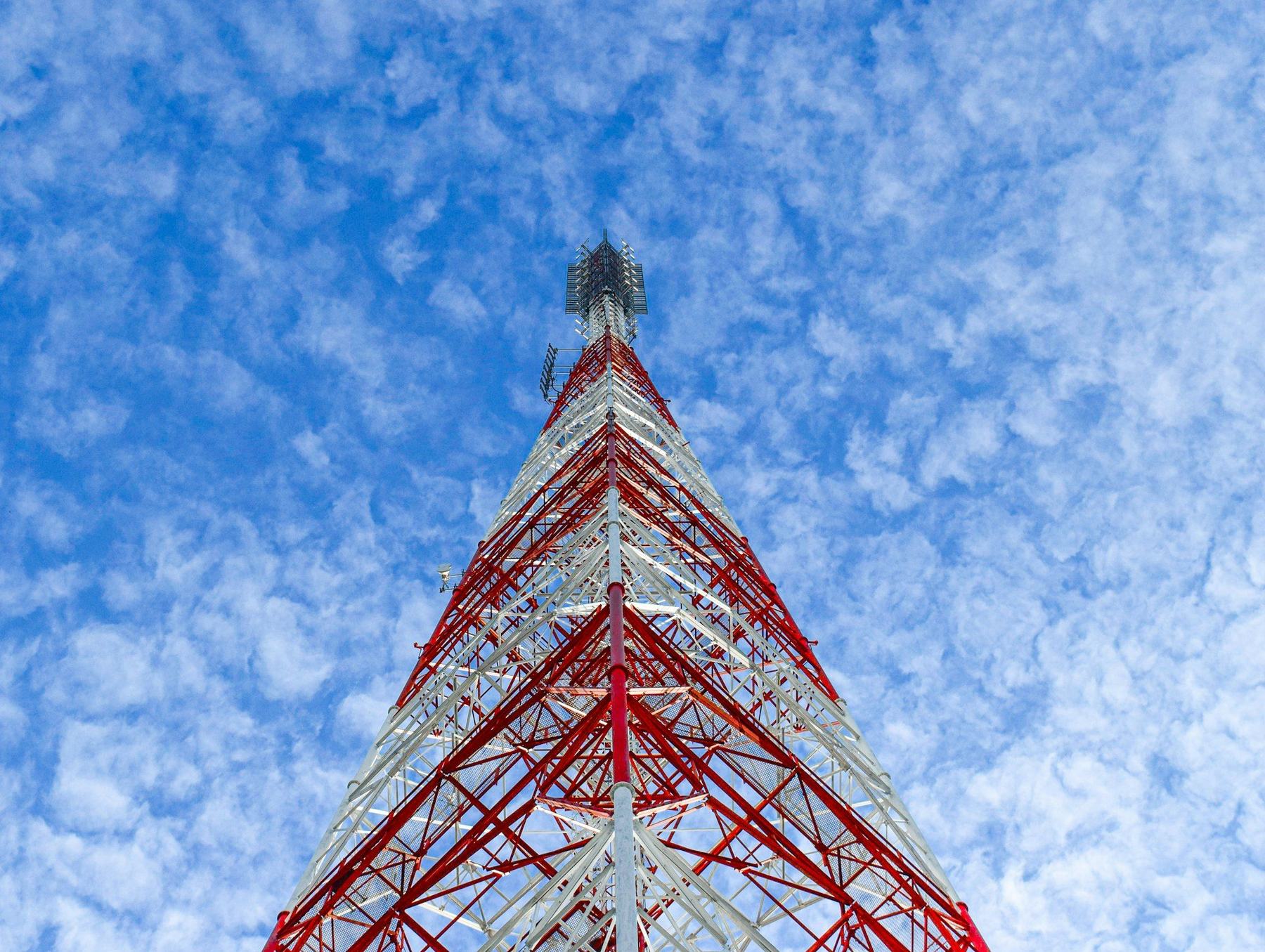
- Telecom and broadcast towers
- Transmission towers and line crossings
- Wind turbines and met masts
- Tower cranes and construction cranes
- High-rise buildings and stadium masts
- Helipads, rooftop heliports and offshore helidecks
- Overhead lines near aerodromes (warning spheres)
Standards & compliance
Systems are designed and documented to recognised international standards and to the requirements of national regulators in Saudi Arabia, Oman and Qatar.
Typical applications
- Refinery and gas-plant flare stacks requiring hazardous-area rated fittings
- Telecom tower rollouts needing standard packages with remote monitoring
- Wind farms needing synchronized ICAO medium-intensity lighting across turbines
- Construction sites with temporary crane warning lights on solar power
- Hospitals, towers and offshore installations with helideck lighting and windsocks
Aviation obstruction lights in Saudi Arabia, Oman and Qatar
ALTISENSE supplies, installs and maintains ICAO-compliant and FAA-compliant aviation obstruction lights for every type of tall structure: telecom towers, transmission towers, flare stacks, chimneys, tower cranes, wind turbines, buildings and helipads. Our systems cover low-intensity (ICAO Type A/B, FAA L-810), medium-intensity (ICAO Type A, B and C, FAA L-864 and L-865) and high-intensity obstruction lighting, in red, white and dual red/white schemes.
We also deliver solar obstruction lights for remote sites, explosion-proof (Ex d / ATEX / IECEx) aircraft warning lights for refineries and gas plants, obstruction light controllers with photocell and GSM/4G lamp-failure alarms, aircraft warning spheres for power lines, and illuminated windsocks and heliport beacons for helipads and helidecks.
Products we supply
- ICAO medium-intensity obstruction light
- ICAO low-intensity obstruction light
- FAA L-810 / L-864 / L-865
- Dual red/white aviation light
- Solar obstruction light
- Explosion-proof obstruction light
- Flare stack obstruction light
- Telecom tower light
- Crane warning light
- Wind turbine aviation light
- Aircraft warning sphere
- Illuminated windsock
- Heliport beacon
- Obstruction light controller
Frequently asked questions
Which ICAO light type does my tower need?
Under ICAO Annex 14, structures up to 45 m normally use low-intensity lights, structures from 45 m to 150 m use medium-intensity lights with intermediate levels, and structures above 150 m may need high-intensity white lights. The national civil aviation authority confirms the final scheme.
Do you supply solar obstruction lights?
Yes. We supply and install solar-powered obstruction lights with battery autonomy sized for local conditions, for remote towers, cranes and temporary structures.
Can you light flare stacks in hazardous areas?
Yes. We supply Ex-certified (ATEX / IECEx) obstruction lights and junction boxes for Zone 1 and Zone 2 flare stacks and process columns, with lamp-failure alarms to the DCS.